#82 Rassolnik | Russian Soup Made with Salt-Pickled Cucumbers
Yuri Miyajima Russian Forest

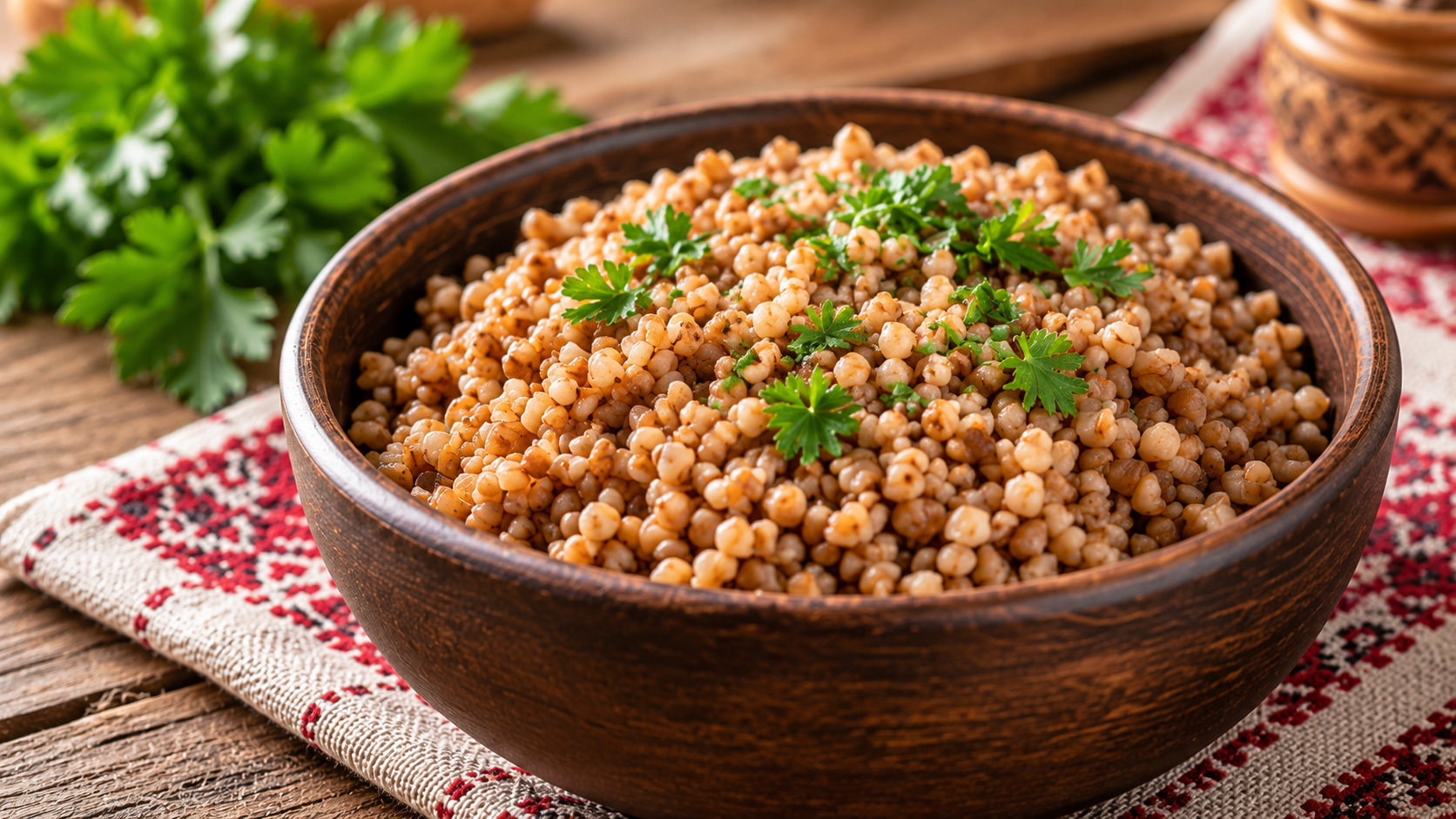
Kasha (ка́ша) is a dish made by cooking grains such as buckwheat, oats, rice, and millet in water or milk. It has been enjoyed in Russia for centuries and is eaten on various occasions, from breakfast to side dishes served with lunch or dinner.
One of its distinctive characteristics is the variety of flavors and textures that can be achieved depending on the grains and cooking methods used. Some varieties of kasha are sweetened with milk and sugar, while others are prepared with butter, meat, mushrooms, or other savory ingredients.
Kasha is also deeply connected to Russian history and everyday life, appearing in proverbs and traditional celebrations. It can therefore be regarded as one of the essential dishes for understanding Russian food culture.
In this article, I will introduce the characteristics and history of kasha, as well as its connections to Russian culture.
Kasha (ка́ша) is a traditional Russian dish made by cooking grains in water, milk, or other liquids.
In Russian, the word ка́ша refers broadly to dishes prepared from cooked grains. Rather than describing a single dish made from a particular grain, kasha is therefore a general term for various dishes made by boiling or cooking grains.
There are many varieties of kasha, ranging from soft preparations with a relatively high liquid content to firmer dishes in which the individual grains remain distinct.
For example, kasha made by cooking oats in milk is similar to oatmeal. By contrast, buckwheat kasha has a distinctive grainy texture and nutty flavor and is often served as a side dish with meat or vegetables.
Common grains and ingredients used to prepare kasha include:
Kasha can also be prepared as either a sweet or savory dish, depending on the ingredients and seasonings used.
Kasha made with milk, sugar, or honey is popular for breakfast, while varieties prepared with butter, salt, mushrooms, or other savory ingredients are also enjoyed for lunch and dinner.
Kasha is one of the traditional dishes with a long history in Russia.
The East Slavic peoples have cooked and eaten grains since ancient times. Grains were an important source of food because they could be stored for long periods and used throughout the cold winter months, making them an essential part of everyday life.
Historically, kasha was prepared using grains such as millet, barley, oats, and wheat. Buckwheat later became widely used, contributing to the development of the many varieties of kasha that remain popular in Russia today.
In traditional cooking methods, grains were placed in a clay pot with water and heated in a Russian masonry stove known as a печь.
These stoves retained heat for long periods even after the fire had subsided, allowing grains to cook slowly through gentle simmering and steaming.
Kasha was also important not only as an everyday meal among peasants but also as a dish associated with celebrations and ceremonies. According to accounts of old Russian wedding customs, wedding feasts were sometimes referred to as “kasha.”
Furthermore, kasha appears as an everyday food in the Domostroy (Домостро́й), a sixteenth-century Russian text describing household life and domestic management.
This historical reference also demonstrates how deeply kasha had become established in Russian daily life over the centuries.
In addition to being an everyday food, kasha has played an important role in traditional Russian celebrations, including weddings and other festive occasions.
In Russia, grains have long been associated with abundance, prosperity, and the continuation of life. As a dish made from grains, kasha also acquired special symbolic significance.
In some regions, kasha was prepared for weddings and shared among the bride, groom, and guests. This custom expressed wishes for the prosperity of the new household and the happiness of the couple, while also symbolizing the union of their families.
Kasha was also enjoyed at festive gatherings and communal meals.
Preparing kasha in a large pot and sharing it with family members or members of the local community provided an opportunity to strengthen social bonds.
These traditions were closely connected to the importance of grains as a fundamental source of food.
Preparing dishes from harvested grains and sharing meals with others expressed gratitude for nature’s abundance and hopes for a prosperous life.
Because kasha is deeply rooted in Russian daily life, it also appears in numerous proverbs and idiomatic expressions.
These expressions reflect both the history of kasha as a familiar everyday food and traditional Russian attitudes toward life.
One of the best-known proverbs is:
Shchi (щи) is a traditional Russian soup typically made with cabbage and other vegetables.
This proverb expresses the idea that shchi and kasha are familiar, fundamental dishes in Russian cuisine.
In earlier periods of Russian history, grain-based kasha and vegetable-based shchi were important staples in the diets of ordinary people.
For this reason, the proverb combining these two dishes has become a well-known expression symbolizing traditional Russian food culture.
Another familiar proverb is:
This proverb originated from the idea that adding butter makes kasha even more delicious.
Figuratively, it means that having more of something useful or desirable is generally beneficial. It expresses the idea that adding something good can produce an even better result.
For example, the expression may be used when adding a generous amount of a favorite ingredient to a dish or when adding something useful to improve a particular situation.
Another well-known expression is:
This idiomatic expression describes someone with whom it is difficult to cooperate or accomplish something.
In Russian, the act of preparing kasha together serves as a metaphor for working with another person toward a common goal.
For example, the expression may be used to describe someone who fails to keep promises or with whom discussions are consistently unproductive.
It is also appropriate in situations involving work or collaborative activities when cooperation with another person proves difficult.
Thus, Russian proverbs and idiomatic expressions involving kasha convey meanings related not only to food but also to human relationships and approaches to accomplishing tasks.
Through these expressions, we can see how deeply kasha is embedded in Russian life and ways of thinking.
Kasha is a traditional grain dish that has been enjoyed in Russia for centuries.
It is prepared using a wide variety of grains, including buckwheat, oats, rice, and millet, and is eaten on many occasions throughout the day, from breakfast to dinner.
Kasha also appears in Russian history, traditional celebrations, and proverbs, reflecting its close connection to everyday life.
The main points discussed in this article can be summarized as follows:
When learning about Russian cuisine, exploring everyday home-cooked dishes such as kasha alongside well-known foods such as borscht and pirozhki can provide a deeper understanding of the daily lives and culinary traditions of people in Russia.