#15 Russian Dialects
Izumi RUSSIAN FOREST
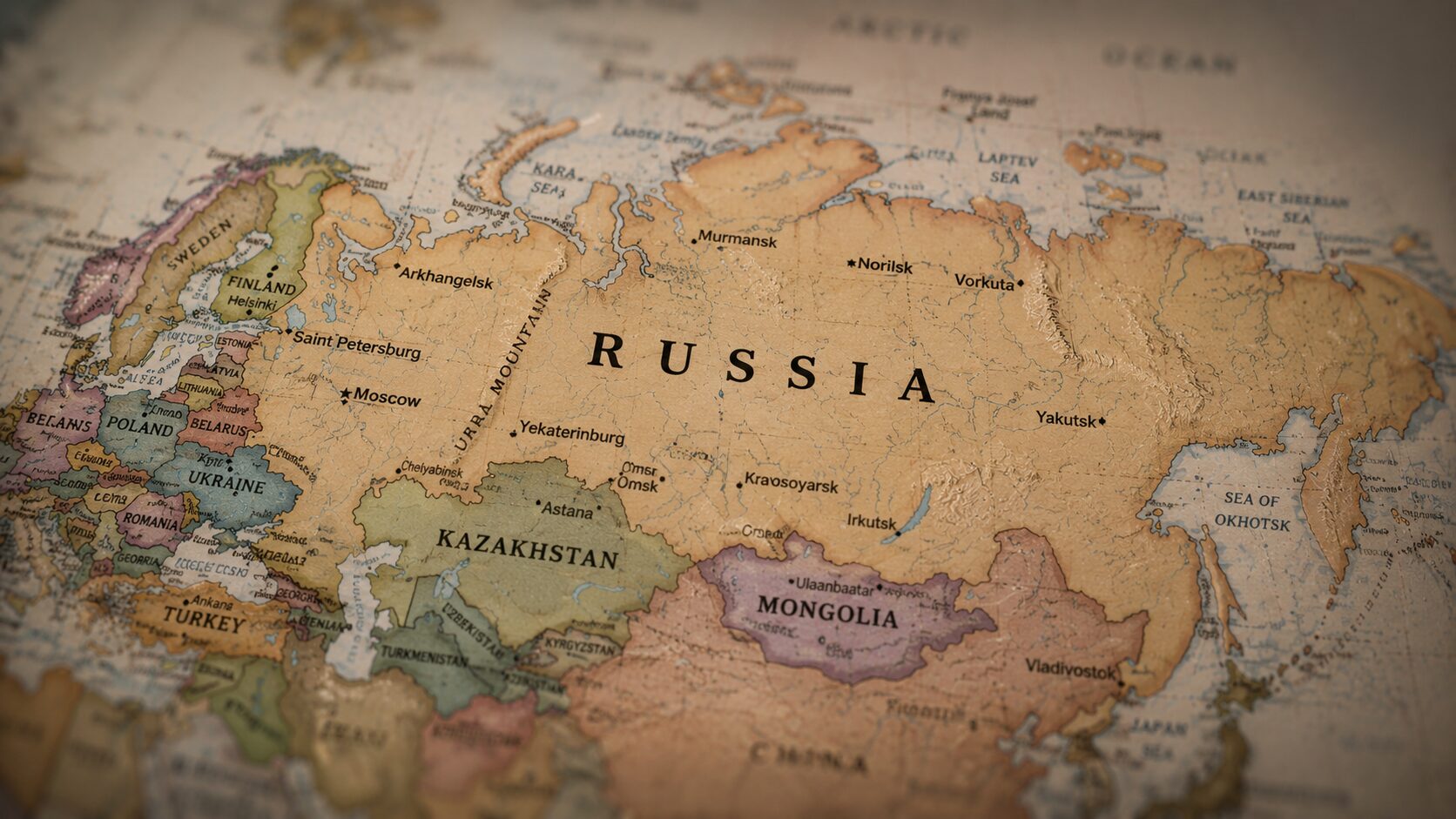
Russian is the official language of the Russian Federation and is used in daily life by a large proportion of the population. However, its role extends far beyond serving simply as a means of communication.
Russia is a multiethnic country inhabited by more than 190 ethnic groups, and numerous languages are spoken across its territory. Within this diverse linguistic environment, Russian functions as a common language connecting different ethnic groups and regions. It also plays an important role in many areas of society, including education, government administration, culture, and the media.
In this article, I will explain the role that the Russian language plays in Russia.
Russian is the official language used throughout the Russian Federation. An official language is a language formally used by a country or government in areas such as administration, law, and education.
In Russian schools, many subjects are taught in Russian, and the language is widely used in textbooks and other educational materials. University lectures are also generally conducted in Russian, meaning that it functions as a common language for acquiring knowledge and studying specialized fields.
In addition, laws, administrative documents, and official procedures are generally written and conducted in Russian. Russian serves as the standard language for federal legislation, court proceedings, and information issued by government institutions, playing an essential role in supporting administration across the country.
In some republics, such as the Republic of Tatarstan and the Sakha Republic, regional languages are also recognized as official languages alongside Russian. Nevertheless, Russian remains the principal language that people from different regions and ethnic backgrounds can use in common.
In this way, Russian serves as the official language of the country and provides an important foundation for Russian society as a whole.
The Russian Federation is one of the world’s most ethnically diverse countries, with more than 190 ethnic groups living within its borders.
In addition to ethnic Russians, the country is home to Tatars, Bashkirs, Chechens, Sakha people, and many other ethnic communities, each of which has inherited its own history and culture. Many of these groups also have their own languages, and more than 100 languages are believed to be spoken within Russia.
Within this diverse linguistic environment, Russian serves as the official language of the federation and functions as a common language connecting different ethnic groups and regions.
Russian is widely used in schools, government institutions, universities, nationwide broadcasting, and business. It therefore provides an important basis for communication between people with different native languages.
At the same time, the Russian Constitution guarantees ethnic groups the right to preserve and study their own languages. For example, Tatar is recognized as an official language alongside Russian in the Republic of Tatarstan, while Sakha holds the same status in the Sakha Republic. Depending on the region, these languages may also be used in schools and public institutions.
In this way, regional languages and cultures continue to exist throughout Russia, while Russian supports society as the common language used across the country.
The Russian language is closely connected with Russian literature, art, and history.
For example, the works of writers such as Pushkin, Dostoevsky, and Tolstoy contain many forms of expression, rhythms, and cultural nuances that are distinctive to Russian. Although you can still appreciate these works in translation, reading them in the original language allows you to understand more precisely the subtle meanings of the words chosen by their authors.
Russian folktales and folk songs also strongly reflect the country’s natural environment, history, and traditional values. Language and culture are therefore inseparably connected.
Furthermore, Russian is deeply rooted not only in literature and art but also in everyday life. Greetings, idiomatic expressions, and proverbs often reveal ways of thinking and customs that are distinctive to the country.
For this reason, as you study Russian, you will naturally develop a deeper understanding of Russian society and culture.
Russian is an important common language that supports Russian society, and it also provides a foundation for the country’s history and culture.
The relationship between Russia and the Russian language can be summarized as follows:
As you can see, Russian is much more than a means of communication.
It is a language that provides a vital foundation for the vast territory, diverse peoples, and rich cultural heritage of Russia.