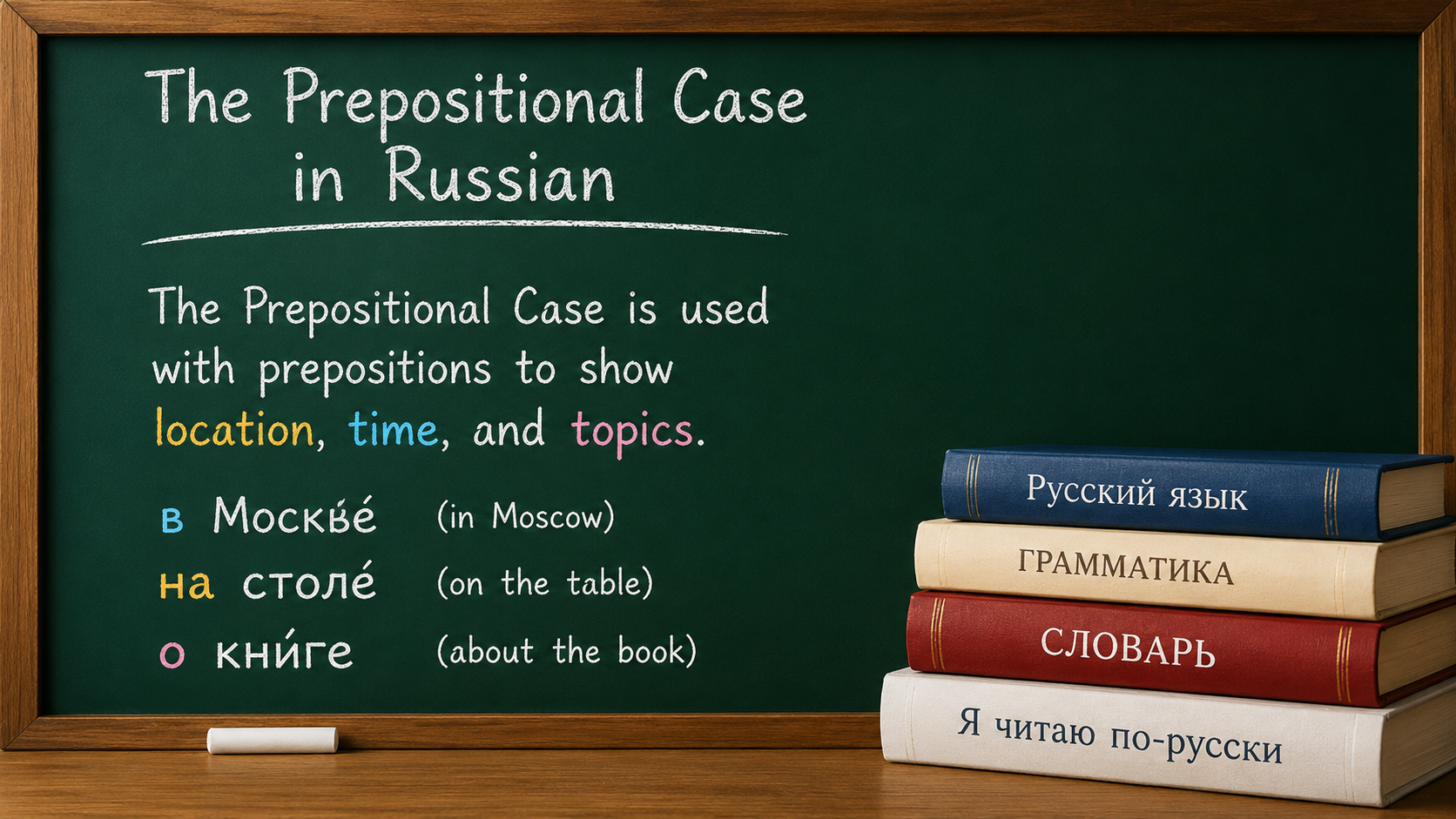
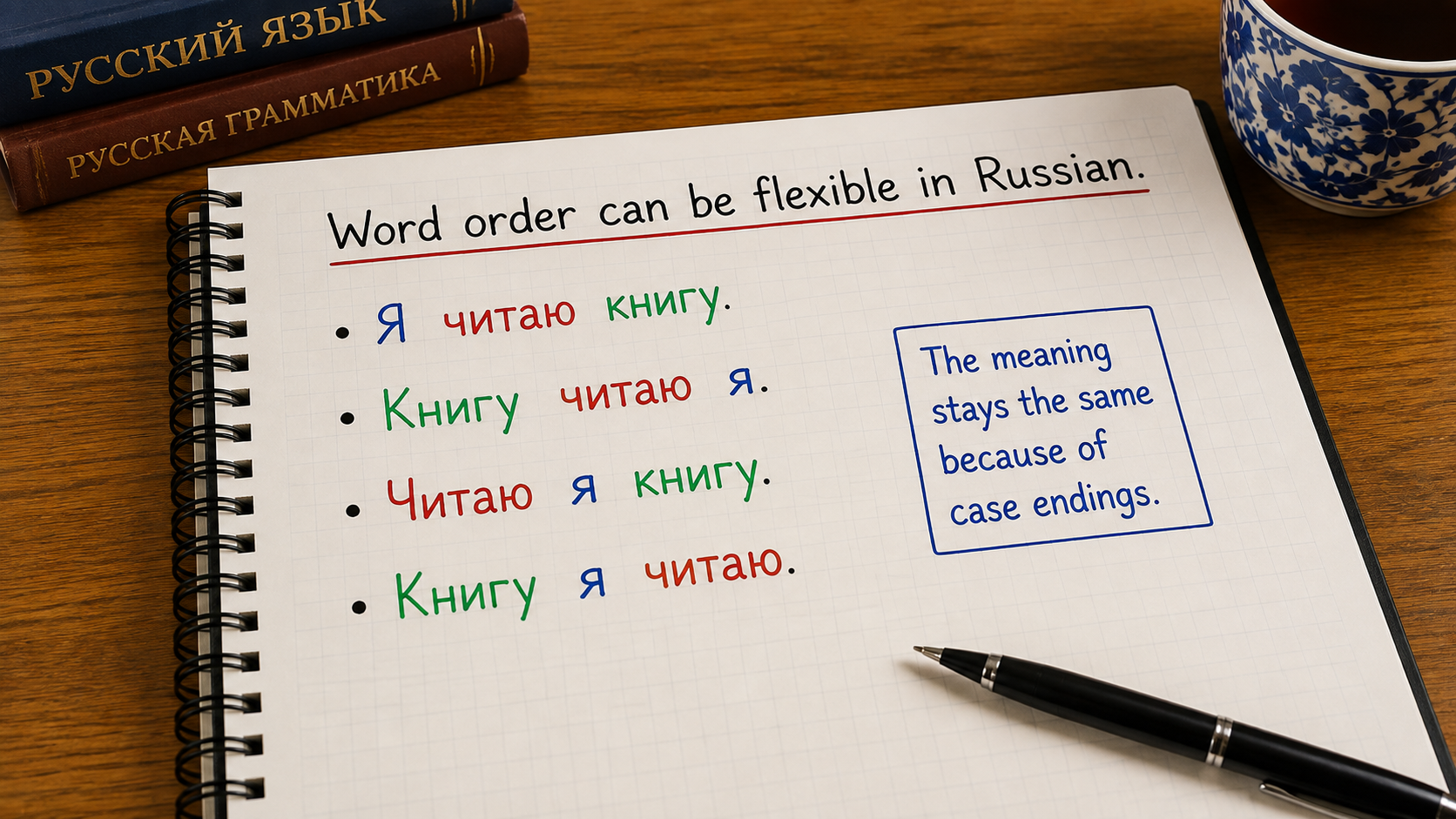
#48 How to Use the Prepositional Case in Russian
Yuri Miyajima Russian Forest

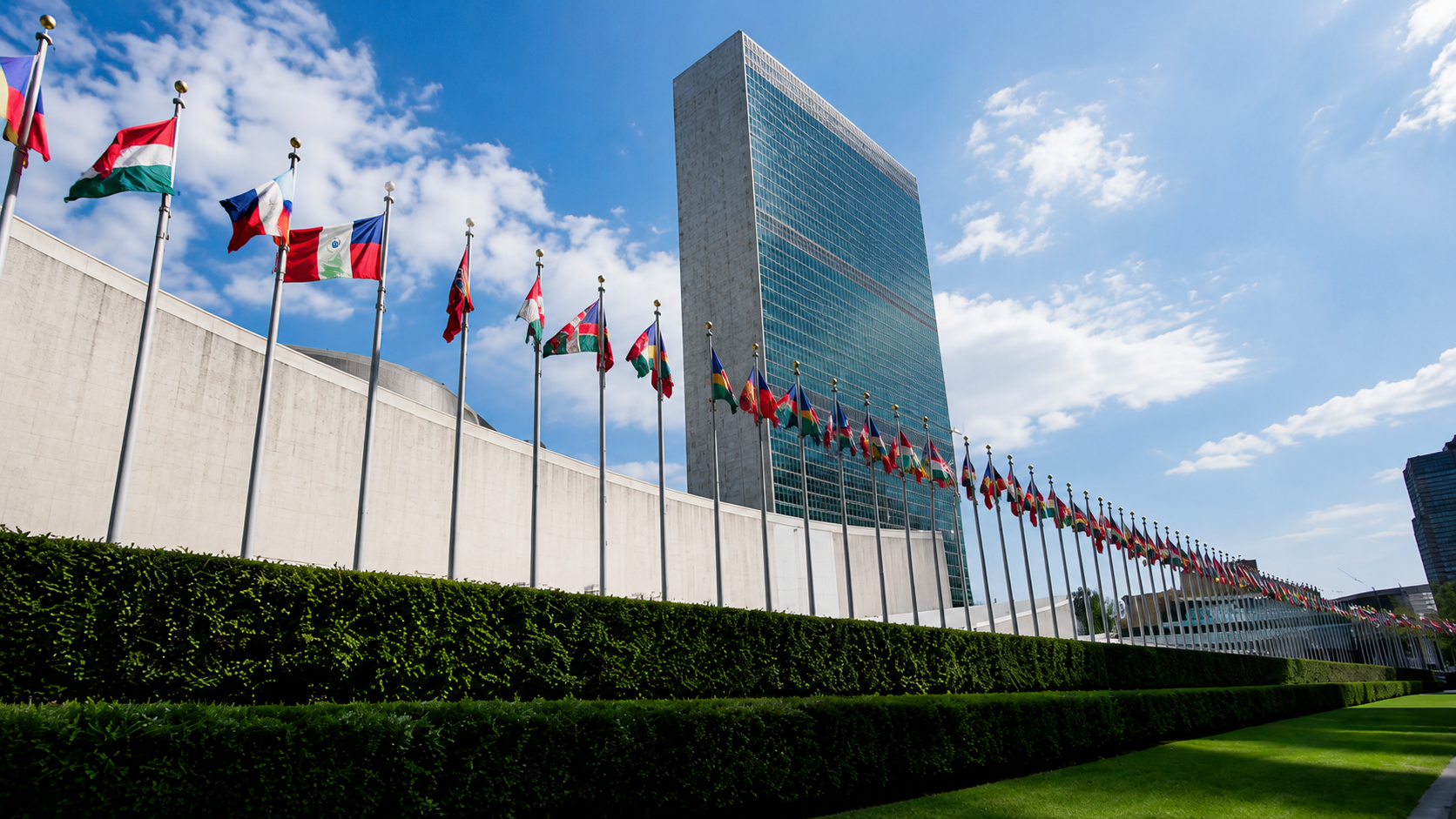
International organizations such as the United Nations bring together people from around the world who speak different languages. To ensure that discussions proceed smoothly in such environments, multilingual systems that include interpretation and translation are essential.
Russian is one of the languages used to support communication within the international community.
Russian is one of the six official languages of the United Nations and is used for speeches at international conferences, resolutions, reports, and other official documents. In addition to the United Nations, there are also international organizations that use Russian as an official language or as a practical lingua franca.
The status of Russian in these organizations is closely connected to the historical influence of the Soviet Union in international politics and to the widespread use of Russian across a large part of Eurasia.
In this article, I will explain how Russian is used in international organizations, its position and history within the United Nations, and the role it continues to play today.
One of the clearest examples of the international status of Russian is its role in the United Nations.
Today, the United Nations has six official languages:
Russian is used as one of these six languages in United Nations meetings, official documents, and other formal activities.
The United Nations has member states from around the world, and the languages used in those countries vary considerably. For this reason, rather than relying on a single language, the organization supports multilingual international activities through a system of multiple official languages.
It is also important to distinguish between “official languages” and “working languages” within the United Nations. Official languages are formally used in meetings and official documents, whereas working languages are used in the day-to-day operations of particular bodies. The languages designated as working languages vary depending on the principal organ or institution concerned.
The fact that Russian is formally recognized as an official language in an international organization where representatives from around the world discuss diplomacy, security, human rights, development, and other global issues reflects the international role of the Russian language.
Using multiple official languages within the United Nations requires a large-scale system of interpretation and translation.
At major meetings, including sessions of the General Assembly and the Security Council, interpretation is provided among the official languages, including Russian. This allows representatives to speak in Russian while participants using other languages can understand their remarks through interpretation.
Conversely, speeches delivered in English, French, Chinese, and other official languages can also be heard in Russian. This system enables representatives from different linguistic backgrounds to participate in international discussions using their own languages.
Translation of official documents is also an important part of the United Nations’ multilingual system.
Many official documents, including resolutions and reports, are made available in the official languages, including Russian. This allows Russian-speaking diplomats, government officials, and other users to review United Nations resolutions and discussions in Russian.
In international diplomacy, even small differences in wording can affect the interpretation of a document. In texts concerning law or security, the choice of a single word may carry significant consequences. For this reason, United Nations interpreters and translators require not only advanced linguistic skills but also specialized knowledge of diplomacy, international law, politics, economics, and related fields.
In this way, Russian is used throughout the United Nations’ multilingual activities, from spoken interventions at meetings to official written documents.
The important position of Russian within the United Nations is closely connected to the role of the Soviet Union in the international order that emerged after World War II.
The Charter of the United Nations was signed in June 1945, shortly before the end of World War II, and the organization officially came into existence in October of the same year. The Soviet Union had fought as one of the major Allied powers and became one of the central states shaping the postwar international order.
Together with the United States, the United Kingdom, France, and China, the Soviet Union became a permanent member of the United Nations Security Council and was granted veto power.
The United Nations Charter signed in 1945 established that the Chinese, French, Russian, English, and Spanish texts of the Charter were equally authoritative. After the United Nations was established, rules concerning official and working languages were developed for bodies such as the General Assembly, and Russian came to be used as an official language of the organization. Arabic was later added as an official language of the General Assembly and other bodies in 1973, creating the present system of six official languages.
When the Soviet Union dissolved in 1991, the Russian Federation continued the Soviet Union’s position at the United Nations. Russia remains a permanent member of the Security Council, and Russian continues to be used as one of the six official languages of the United Nations.
The status of Russian within the United Nations was therefore shaped by the international order created after World War II and by the political influence of the Soviet Union.
The Russian used in international organizations differs somewhat from the language you encounter in everyday conversation.
In documents concerning diplomacy and international law, differences in individual words or expressions can potentially affect how the text is interpreted. This is particularly important in international resolutions, treaties, and agreements, where all parties must be able to understand the same content as precisely as possible.
For this reason, documents produced by international organizations generally use formal language designed to minimize ambiguity. It is also important to use established technical terminology consistently rather than expressing the same concept with different terms from one document to another.
Examples of Russian vocabulary used in international organizations include:
In addition to this specialized vocabulary, you will also encounter many expressions specific to diplomacy and law, such as “adopt a resolution,” “conclude an agreement,” and “call upon member states.”
Studying Russian used in international organizations can therefore give you an opportunity to become familiar with a more formal register of the language that differs from everyday conversation.
Russian is not used only within the United Nations. Some United Nations specialized agencies and related international organizations also use Russian as an official language or as a language used in meetings.
For example, Russian is used as one of the official languages in organizations such as UNESCO, the World Health Organization (WHO), and the International Atomic Energy Agency (IAEA).
Russian also plays an important role in international organizations focused primarily on Europe and Eurasia.
One representative example is the Commonwealth of Independent States (CIS). Several countries that were formerly part of the Soviet Union participate in the CIS, and different languages are spoken across its member states. Within this environment, Russian, which has long served as a common language, is widely used in intergovernmental discussions and practical cooperation.
Russian is also an important language in the Eurasian Economic Union (EAEU). In addition to Russia, the EAEU includes Belarus, Kazakhstan, Armenia, and Kyrgyzstan, whose governments cooperate on issues such as economic policy and trade. Russian is used as a language that supports the practical operations of the union.
Russian is also used in the Shanghai Cooperation Organisation (SCO). The organization includes China, Russia, Central Asian states, and other members, and Chinese and Russian are designated as its official languages.
Many people living in these regions do not speak Russian as their first language. However, because Russian was widely used in education, administration, business, and other areas during the Soviet period, it continues to function as a common language among people with different native languages.
The international role of Russian is therefore not limited to the United Nations. In Eurasia in particular, it continues to be used as a means of communication across national borders.
Russian is used not only in Russia and the former Soviet region, but also in international organizations.
Its main characteristics can be summarized as follows:
The use of Russian in international organizations is closely connected to the history of the Soviet Union, Russia’s international position, and the geographical spread of Russian across Eurasia.
Even today, Russian remains one of the languages that make up the multilingual system of the international community. By understanding this role, you can view the Russian language from a broader international perspective.